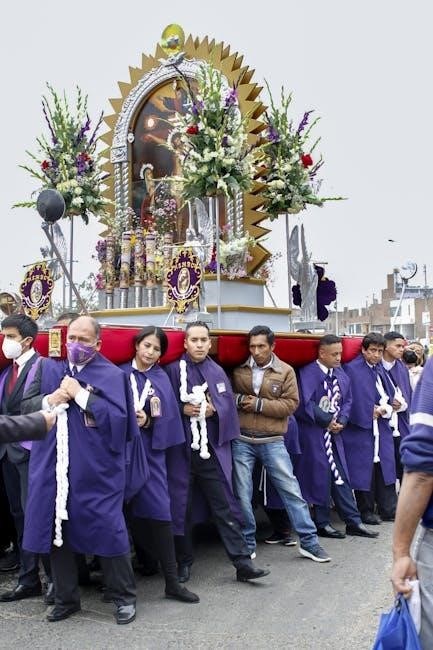
Meeting Jesus within the sacraments, explored in resources like downloadable worksheets and ebooks, unveils a profound faith journey for families and parishes․
The Centrality of Jesus Christ
Jesus Christ stands as the unwavering foundation of our faith, exceeding human creativity and serving as the source of all grace․ Encountering Him isn’t merely intellectual assent, but a transformative relationship fostered through prayer and, crucially, the Sacraments․
Resources like “Meeting Jesus in the Sacraments” – available as a directed reading worksheet and potentially as a free PDF download – emphasize this central truth․ The sacraments aren’t rituals devoid of meaning; they are tangible encounters with the divine․ They aren’t products of human invention, but channels of God’s freely given love and mercy․
Understanding the sacraments, as detailed in catechetical resources, allows us to deepen our connection with Christ, recognizing His presence in these sacred signs․ This understanding is vital for both individual spiritual growth and communal parish life․
The Sacraments as Encounters
The sacraments aren’t simply symbolic gestures; they are genuine encounters with Jesus Christ, offering a pathway to experience His grace in a profound and personal way․ Resources like the “Meeting Jesus in the Sacraments” workbook, often available as a downloadable PDF, guide us toward recognizing these moments․
These encounters, facilitated by the Holy Spirit, transcend mere human understanding․ They are opportunities to receive the invisible Christ, as understood within the Catholic tradition․ Studying the origins, rites, and effects of the Seven Sacraments, as detailed in available texts, unlocks a deeper appreciation for their transformative power․
Through these sacred signs, we don’t just learn about Jesus; we meet Him, allowing His love to reshape our hearts and lives․
Understanding the Sacraments
Exploring the sacraments, through resources like downloadable PDFs, reveals their origins, rites, and effects—unpacking the grace offered in each sacred encounter․
Definition of a Sacrament
Sacraments are sacred signs instituted by Christ to give grace, acting as visible signs of invisible realities․ These powerful encounters with God aren’t merely symbolic; they truly effect what they signify․ Resources, such as the “Meeting Jesus in the Sacraments” materials available for download, emphasize this transformative power․
They are outward signs established by Christ to confer grace, strengthening our relationship with the divine․ Understanding this definition, often detailed in catechetical resources and ebooks, is crucial․ The sacraments aren’t products of human creativity but originate from God’s will․ They are channels through which God’s grace flows, offering spiritual healing and growth, as explored in theological studies and accessible PDFs․
The Seven Sacraments: An Overview
The Catholic Church recognizes seven sacraments: Baptism, Confirmation, Eucharist, Penance and Reconciliation, Anointing of the Sick, Holy Orders, and Matrimony․ Resources like “Meeting Jesus in the Sacraments” – often found as a free download in PDF format – provide detailed explorations of each․
These sacraments are categorized as Sacraments of Initiation (Baptism, Confirmation, Eucharist), Healing (Penance, Anointing of the Sick), and Vocation (Holy Orders, Matrimony)․ Each sacrament offers a unique encounter with Christ’s grace, strengthening faith and fostering a deeper relationship with God․ Studying these, through texts unpacking origins and effects, reveals their interconnectedness and vital role in spiritual life, as highlighted in theological works and accessible ebooks․
Sacraments of Initiation
The Sacraments of Initiation – Baptism, Confirmation, and Eucharist – form the foundation of Christian life․ Resources like the “Meeting Jesus in the Sacraments” directed reading worksheets (available for download as PDFs) detail how these sacraments lay the spiritual groundwork․
Baptism signifies cleansing from sin and new birth in Christ․ Confirmation bestows the fullness of the Holy Spirit, strengthening faith․ The Eucharist, the source and summit of the Christian life, offers direct encounter with Christ․ These interconnected sacraments, explored in catechetical materials, initiate believers into the Church and equip them for a life of grace, fostering a deeper understanding of faith’s origins and effects․
Baptism: New Life in Christ
Baptism, the first Sacrament of Initiation, marks entry into new life in Christ, washing away original sin and welcoming individuals into the Church family․ Resources like the “Meeting Jesus in the Sacraments” materials, often available as a free PDF download, explain this profound transformation․
This sacrament isn’t merely symbolic; it’s a real participation in Christ’s death and resurrection․ Through Baptism, believers are incorporated into the Body of Christ and receive the Holy Spirit․ Studying this sacrament through provided worksheets deepens understanding of its origins, rites, and the grace conferred, fostering a stronger connection to faith and its foundational principles․
Confirmation: Strengthening with the Holy Spirit
Confirmation completes Baptismal grace, bestowing the fullness of the Holy Spirit and strengthening believers for Christian witness․ Catechetical resources, including the “Meeting Jesus in the Sacraments” document – often found as a PDF for easy access and download – detail this vital sacrament․
It’s defined as conferring the Holy Spirit, deepening the bond with Christ and the Church․ Through Confirmation, individuals are equipped to live out their faith boldly․ Exploring the sacrament’s origins, rites, and effects via study materials enhances understanding and appreciation․ These resources aid in awakening faith, particularly within families and parishes, fostering a deeper spiritual connection․
Eucharist: The Source and Summit
The Eucharist, also known as Holy Communion, is presented as a sacrament through which the invisible Christ grants grace․ Resources like “Meeting Jesus in the Sacraments,” available as a PDF for convenient study and download, unpack its profound significance․ It’s considered the “source and summit” of the Christian life, central to faith․
The Holy Eucharist isn’t a product of human creativity but transcends human understanding․ Studying its origins, rites, and effects – as detailed in catechetical texts – deepens appreciation․ This sacrament isn’t merely symbolic; it’s a real encounter with Christ, strengthening believers and uniting them with God’s love․
The Eucharist: Meeting Jesus Directly
PDF resources, like “Meeting Jesus in the Sacraments,” illuminate how the Eucharist facilitates a direct encounter with Christ, granting invisible grace․
The Real Presence of Christ
Understanding the Eucharist necessitates grasping the concept of Christ’s Real Presence – a belief central to encountering Jesus directly through this sacrament․ Resources, including the “Meeting Jesus in the Sacraments” PDF and related study materials, delve into this mystery․
It’s not merely a symbolic representation; rather, Christ is truly, really, and substantially present – body, blood, soul, and divinity – under the appearances of bread and wine․ This presence isn’t limited by physical space or time, but is offered to believers through faith and participation in the Holy Eucharist․
The downloadable worksheets and ebooks emphasize that this isn’t a product of human creativity, but a divine gift, exceeding human comprehension․ This profound truth transforms the Eucharist into a powerful encounter with the living Christ․
Transubstantiation Explained
Transubstantiation, a key doctrine explored in resources like the “Meeting Jesus in the Sacraments” PDF, defines how Christ’s presence occurs in the Eucharist․ It’s not simply a change in appearance, but a real transformation of the bread and wine into the body and blood of Christ․
The substance – the essential reality – of the bread and wine changes, while the accidents – the outward appearances like taste, color, and texture – remain․ This change is brought about by the power of the Holy Spirit and the words of consecration spoken by the priest during Mass․
Study materials clarify that this isn’t a physical alteration understandable by science, but a supernatural change rooted in faith․ Understanding transubstantiation is crucial for appreciating the profound reality of encountering Christ in the Eucharist․
Receiving Holy Communion
Receiving Holy Communion, detailed in guides like the “Meeting Jesus in the Sacraments” PDF, is the culmination of the Eucharistic celebration – a direct encounter with Christ․ Proper preparation is essential, including being in a state of grace, typically achieved through Confession if needed․
Catholics are encouraged to fast for at least one hour before receiving Communion, abstaining from all food and drink except water and medicine․ Approaching the altar reverently, individuals typically receive the host on the tongue or in the hand, acknowledging Christ’s real presence․
This act of receiving isn’t merely symbolic; it’s a transformative experience uniting the believer more closely with Christ and strengthening their spiritual life․ Resources emphasize the importance of thanksgiving after Communion․

Penance and Reconciliation: Experiencing Divine Mercy
Meeting Jesus through the sacrament of Penance, as detailed in PDF guides, offers absolution and spiritual healing via confession to a priest․
Confession and Absolution
Confession, a vital component of the Sacrament of Penance and Reconciliation, allows individuals to meet Jesus through acknowledging their sins to a priest․ Resources, often available as PDF downloads like “Meeting Jesus in the Sacraments” worksheets, emphasize this encounter as a pathway to divine mercy․
The process involves examining one’s conscience, expressing sorrow for offenses, confessing to the priest, and receiving absolution – God’s forgiveness․ This isn’t merely a recitation of wrongdoings; it’s a heartfelt turning back to God, facilitated by the priest acting in persona Christi․
Through absolution, spiritual healing begins, restoring a relationship fractured by sin․ These downloadable materials often highlight the transformative power of this sacrament, offering guidance for a meaningful confession and a deeper meeting with Jesus’s boundless compassion․
The Role of the Priest
Within the Sacrament of Penance and Reconciliation, the priest serves as a crucial instrument in facilitating a meeting with Jesus․ Resources like the “Meeting Jesus in the Sacraments” PDF materials underscore that the priest doesn’t forgive sins – God does – but acts in persona Christi, meaning “in the person of Christ․”
He’s a compassionate listener, offering guidance and counsel based on the teachings of the Church․ The priest’s role extends beyond simply hearing confessions; he helps penitents understand the gravity of their sins and encourages genuine contrition․
Through the priest’s pronouncement of absolution, God’s mercy is conveyed, offering healing and restoration․ Downloadable study guides often emphasize this vital connection, illustrating how the priest’s ministry enables a profound encounter with Jesus’s forgiving love․
Spiritual Healing and Growth
The Sacrament of Penance and Reconciliation, detailed in resources like the “Meeting Jesus in the Sacraments” PDF, isn’t merely about acknowledging wrongdoing; it’s a pathway to profound spiritual healing and growth․ Confession offers a unique opportunity to confront personal failings and receive God’s transformative grace․
This encounter with divine mercy fosters a deeper awareness of sin and its consequences, motivating a sincere desire for change․ The absolution received isn’t simply a wiping away of guilt, but an infusion of strength to resist future temptations․
Study materials highlight how regular participation in this sacrament cultivates a more intimate relationship with Jesus, leading to ongoing spiritual development and a life more aligned with His teachings․
Anointing of the Sick: Strength in Weakness
PDF resources detail how this sacrament imparts God’s grace during illness, offering both spiritual and potential physical healing, strengthening those facing weakness․
Receiving God’s Grace in Illness
Meeting Jesus in the Sacraments, particularly through the Anointing of the Sick, offers profound grace during times of physical and emotional distress․ PDF study guides emphasize this sacrament isn’t merely for those near death, but for anyone suffering from serious illness․
It’s a powerful reminder of God’s loving presence and support․ Resources detail how receiving this sacrament unites sufferers with Christ’s passion, providing strength, peace, and courage to face their challenges․ The grace received can also lead to forgiveness of sins and spiritual healing․
These materials highlight the sacrament’s ability to restore one’s spirit, offering comfort and hope amidst vulnerability․ It’s a tangible expression of the Church’s care and a powerful encounter with divine mercy, readily available through accessible PDF downloads․
Spiritual and Physical Healing
Exploring “Meeting Jesus in the Sacraments” PDF resources reveals the Anointing of the Sick’s dual focus: spiritual and physical wellbeing․ While not guaranteeing a cure, the sacrament offers grace to face illness with courage and faith, fostering inner peace․
These materials emphasize that healing encompasses more than just physical restoration; it’s about reconciliation with God, forgiveness of sins, and renewed spiritual strength․ The sacrament prepares individuals for the final journey, if necessary, but also supports recovery․
Accessible PDF guides detail how the sacrament’s power stems from Christ’s healing ministry, continuing through the Church․ It’s a testament to God’s compassionate love and a source of hope for those enduring suffering, offering both comfort and potential restoration․
Holy Orders: Sharing in Christ’s Priesthood
PDF resources on sacraments detail the ordination process, where individuals share in Christ’s priesthood, serving the Church ministerially and faithfully․
The Ordination Process
Meeting Jesus in the Sacraments materials, often available as PDF downloads, illuminate the careful discernment and preparation involved in Holy Orders․ The process isn’t simply about acquiring knowledge; it’s a spiritual journey demanding deep prayer and a confirmed vocation․
Candidates undergo extensive theological education, pastoral training, and psychological evaluation․ Bishops carefully assess their suitability for ministry, examining their character, faith, and commitment to the Church․
The rite of ordination itself is a solemn and sacred event․ Through the laying on of hands by the bishop and the prayer of consecration, the candidate receives the indelible character of the priesthood, configuring him to Christ the Teacher, Shepherd, and High Priest․ This transformative moment signifies a lifelong commitment to service and sacramental ministry․
The Ministerial Priesthood
Resources like “Meeting Jesus in the Sacraments” – often found as a PDF for directed reading – emphasize the ministerial priesthood as a unique sharing in Christ’s priesthood․ Ordained priests act in persona Christi capitis, meaning they represent Christ as Head of the Church․
Their primary duties include celebrating the sacraments, especially the Eucharist and Reconciliation, preaching the Gospel, and providing pastoral care to the faithful․ This isn’t merely a function, but a vocation rooted in a profound relationship with Jesus Christ․
The priesthood isn’t about power, but service․ Priests are called to be shepherds, leading and guiding God’s people with humility and love, mirroring Christ’s self-sacrificing example․
Matrimony: A Sacrament of Love
Meeting Jesus in the sacraments reveals Matrimony as a sacred union, establishing a domestic church founded on love and faith, as detailed in PDF guides․
The Vows of Marriage
Meeting Jesus within the sacraments illuminates the profound significance of the vows exchanged during Matrimony․ These aren’t merely promises, but sacred covenants mirroring Christ’s commitment to the Church․ Resources, often available as downloadable PDF guides, emphasize fidelity, indissolubility, and openness to life as core tenets․
The vows represent a mutual self-giving, reflecting the Trinitarian love – Father, Son, and Holy Spirit․ Through these vows, spouses become living signs of God’s love, embodying unity and grace․ Studying materials, like “Meeting Jesus in the Sacraments” worksheets, highlight how these commitments aren’t solely human endeavors, but are strengthened by divine grace, fostering a lifelong journey of love and spiritual growth within the marital bond․
The Family as a Domestic Church
Resources like “Meeting Jesus in the Sacraments,” often found as a downloadable PDF, underscore the vital role of the family as a “domestic church․” This concept, central to Catholic teaching, emphasizes the home as the primary place where faith is lived and transmitted․
Within the family, the graces received through the sacraments – particularly Matrimony and Baptism – are nurtured and expressed through prayer, witness, and mutual love․ The family becomes a microcosm of the larger Church, reflecting Christ’s presence and fostering a vibrant faith life․ Educational materials highlight how parents, as primary catechists, guide their children in encountering Jesus, building a strong foundation for their spiritual journey and strengthening the domestic church․
The Holy Spirit’s Role in the Sacraments
PDF resources on meeting Jesus in the sacraments reveal the Spirit as the agent of grace, empowering encounters and guiding discernment․
The Spirit as the Agent of Grace
Meeting Jesus in the sacraments, as detailed in available PDF study materials, fundamentally relies on the Holy Spirit’s active presence․ The Spirit isn’t merely present but actively agents the grace bestowed through each sacrament․ This means the transformative power experienced isn’t a result of human effort alone, but a direct outpouring of divine grace facilitated by the Spirit․
Resources emphasize that the Spirit prepares us to receive these graces, deepening our faith and opening our hearts to God’s love․ Understanding this role is crucial; the sacraments aren’t magical rituals, but encounters with a living God made possible through the Spirit’s work․ Downloadable worksheets and ebooks further illuminate how the Spirit empowers us to live out our baptismal promises and grow in holiness, fostering a closer relationship with Christ․
Discerning the Spirit’s Guidance
Exploring “Meeting Jesus in the Sacraments” – often available as a PDF resource – highlights the importance of actively discerning the Holy Spirit’s guidance in our sacramental lives․ It’s not enough to simply receive the sacraments; we must be attentive to how the Spirit moves within us afterward․
This discernment involves prayerful reflection, examining our thoughts, feelings, and actions in light of the Gospel․ Resources suggest looking for signs of growth in virtue, increased love for God and neighbor, and a deeper desire to follow Christ․ Recognizing the Spirit’s promptings allows us to cooperate with grace, leading to genuine spiritual transformation․ Downloadable materials often include exercises to aid this process, fostering a more intimate and responsive relationship with the Holy Spirit․
Resources for Further Study
Meeting Jesus in the Sacraments worksheets, the Catechism, and online PDF downloads offer deeper exploration of these encounters with Christ’s grace․
Catechism of the Catholic Church
The Catechism of the Catholic Church serves as a foundational resource for understanding the sacraments, offering a comprehensive theological framework․ It meticulously details each sacrament’s origins, rites, and, crucially, its effects on the believer’s spiritual life․
For those seeking a deeper dive into Meeting Jesus in the Sacraments, the Catechism provides the essential doctrinal context․ It explains how these sacred signs instituted by Christ convey God’s grace, strengthening faith and fostering a closer relationship with Him․
Furthermore, the Catechism clarifies the connection between the sacraments and salvation, emphasizing their role in the Christian journey․ Accessing the Catechism, often available as a PDF, is invaluable for informed study and spiritual growth․ It’s a cornerstone for grasping the profound mystery and beauty of sacramental life․
“Meeting Jesus in the Sacraments” Worksheets
Dedicated “Meeting Jesus in the Sacraments” worksheets, frequently available for free download as PDF files, provide a structured approach to sacramental learning․ These resources, often chapter-specific, facilitate deeper engagement with the material, encouraging reflection and personal application․
Designed for directed reading, these worksheets guide individuals and groups through key concepts, prompting exploration of each sacrament’s significance․ They’re particularly useful for parish faith formation programs and individual study, enhancing comprehension and retention․
These materials complement broader resources like the Catechism, offering practical exercises to solidify understanding․ They bridge theological concepts with lived experience, fostering a more intimate encounter with Jesus through the sacraments․ Finding these worksheets online simplifies access to valuable learning tools;
Online Resources and Downloads
Numerous online platforms offer access to materials supporting the study of “Meeting Jesus in the Sacraments”, including readily available PDF versions of the book and supplementary worksheets․ Websites like tds11111․com provide links to downloadable resources, facilitating deeper exploration of the sacraments․
ePaper reading options are also emerging, offering convenient digital access to the text․ Searching for the title alongside “download” or “eBook” yields various results, catering to different learning preferences․ These resources often include study guides and interactive elements․
Furthermore, online Catholic resources and parish websites frequently host related materials, enhancing accessibility and promoting sacramental understanding within communities․